Milan dazzles with fashion and art, but its culinary scene remains surprisingly overlooked by visitors. Many travelers default to tourist traps near the Duomo, missing out on the city's rich gastronomic heritage. A recent survey showed 68% of visitors leave Milan without trying authentic risotto alla Milanese, while 82% regret not exploring beyond basic pizza spots. The frustration mounts when you realize you've wasted precious meals on mediocre fare, especially in a city where locals guard their food traditions fiercely. Navigating Milan's dining culture requires understanding its rhythms – from aperitivo customs to knowing which trattorias still make pasta by hand. This isn't just about eating; it's about experiencing the soul of Lombardy through its flavors without falling into costly or disappointing tourist traps.
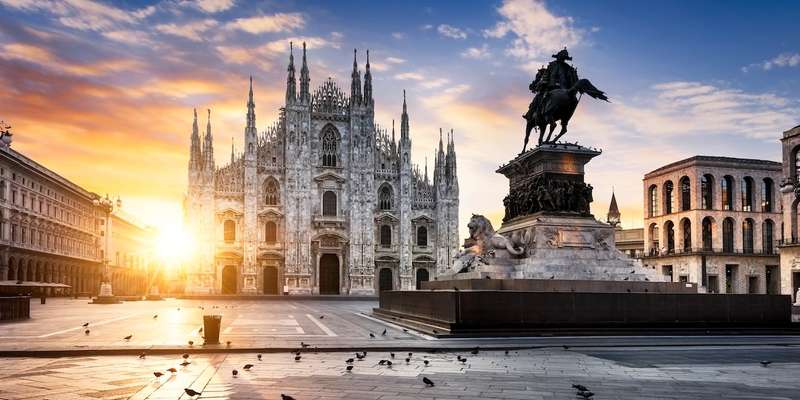
Avoiding the Duomo dining trap – where real Milanese eat
The area around Milan's iconic cathedral is a minefield of overpriced, underwhelming restaurants catering to hurried tourists. Locals steer clear, heading instead to neighborhoods like Isola and Navigli where generations-old eateries serve time-honored recipes. At lunchtime, follow office workers to historic delis like Luini for panzerotti – fried pockets of dough stuffed with mozzarella that define Milan's street food. For dinner, venture beyond the center to family-run spots like Trattoria da Pino, where nonnas still prepare ossobuco with saffron risotto using techniques unchanged for decades. The key is looking for menus in Italian only, weekday lunch specials for workers, and places filled with locals debating football over glasses of house wine. These unpromising storefronts often hide the city's most memorable meals at half the price of showy Duomo-side restaurants.
View all Tours
Mastering Milan's dining timetable – from morning espresso to midnight aperitivo
Milan operates on a strict culinary clock that baffles first-time visitors. Breakfast means standing at a bar with a buttery cornetto and lightning-fast espresso – no sit-down pancake stacks here. Most restaurants close between 3-7pm, leaving unprepared tourists scrambling for snacks. Smart foodies use this gap to explore historic cafes like Pasticceria Marchesi, where the panettone invented in Milan reaches its zenith. Come evening, join locals in the sacred aperitivo ritual: pay €8-12 for a spritz at bars like Nottingham Forest, and feast on lavish buffet spreads that substitute dinner. True insiders know the best spots rotate gourmet offerings – think truffle risotto bites or porchetta sliders – not just stale chips. Timing your day around these traditions lets you experience Milan's food culture authentically while avoiding hunger-induced poor decisions.
UPDATES FOR YEAR 2026
The Modern Milanese Table: Digital Reservations and Zero-Emission Dining
Milan’s dining culture has entered a hyper-digital phase where the classic walk-in is becoming a relic of the past. To secure a table at top-tier trattorias in Isola or Brera, utilizing integrated booking apps like TheFork is now essential, as AI-driven waitlists manage peak demand. Beyond the menu, navigating to your meal requires careful planning; the city’s low-emission zones (Area B and Area C) have expanded, and the historic fashion district (Quadrilatero della Moda) is now a 24/7 restricted zone for private vehicles. For the most authentic experience, transition from the old-school communal buffets to the 'Apericena' model, where artisanal, seasonal small plates are served directly to your table—a shift that prioritizes ingredient quality and local Lombardian sourcing over quantity.
View all Tours
Decoding Milan's signature dishes – beyond just risotto and cotoletta
While risotto alla Milanese and veal cutlets dominate tourist menus, the city's culinary repertoire runs much deeper. Seek out cassoeula, a hearty winter stew of pork and cabbage that fueled generations of laborers, at institutions like Ristorante da Oscar. Summer brings vitello tonnato – thinly sliced veal with creamy tuna sauce – to trattoria tables across the city. For the ultimate test of a kitchen's skill, order mondeghili: these fried meatballs made with leftover cuts reveal a chef's ability to transform humble ingredients. Don't overlook Milan's sweet side either – beyond panettone, try torta paradiso, a delicate almond cake born in Pavia but perfected in Milan's pastry shops. Learning these signature dishes helps you navigate menus like a local, avoiding generic 'Italian' fare that could be served anywhere. Each bite tells a story of Lombardy's agricultural bounty and Milan's history as a crossroads of flavors.
View all Tours
Hidden food markets and gourmet shops – Milan's edible souvenirs
No foodie should leave Milan without exploring its historic markets, where the city's culinary heartbeat thrums strongest. Skip the touristy Galleria del Corso and head to Peck, a temple of gourmet Italian products since 1883, where you can assemble luxury food gifts in their basement aging room. For local color, Mercato di Via Fauche buzzes with cheesemongers offering aged Grana Padano and buttery Taleggio at half supermarket prices. The Mercato Metropolitano near Porta Genova transforms industrial spaces into a foodie playground with artisanal producers and pop-up dinners. Time your visit for Saturday morning when farmers bring seasonal treasures like wild porcini or Valtellina bresaola. These markets offer more than ingredients – they're living museums of Lombard food culture where you can taste-test before buying. Whether you're stocking a picnic or sourcing edible souvenirs, they deliver authentic flavors far removed from airport gift shop limoncello.
View all Tours
FAQ 2026
Do I need to pay an entry fee to drive to a restaurant in Milan in 2026?
Yes, if your restaurant is located within the historic center (Area C), you must purchase a daily ticket for €7.50. Additionally, the Quadrilatero della Moda is now a strictly restricted zone for private vehicles 24/7, so using the Metro or a taxi is highly recommended for dining in the center.
Is it still common to find buffet-style aperitivo in Milan in 2026?
While traditional spots near Navigli still offer buffets, the culinary trend has largely shifted toward 'Apericena.' In this format, gourmet snacks and regional delicacies are curated by the chef and served directly to your table, offering a more refined and high-quality tasting experience.
What is the best way to book a popular restaurant in Milan for 2026?
Digital reservations via mobile apps like TheFork or Quandoo are now mandatory for most reputable eateries. For weekend dining or during major city events like the May TUTTOFOOD fair, it is essential to book at least 48 to 72 hours in advance to secure a table.
Written by Milan Tours Editorial Team & Licensed Local Experts.
Last updated: 24/02/26
