Milan's artistic treasures often overwhelm visitors. With over 1.5 million annual visitors to the Last Supper alone and limited daily tickets, many travelers miss iconic masterpieces. The city's layered history - from Roman ruins to Renaissance splendor - remains inaccessible without proper guidance. Art enthusiasts waste precious vacation hours in ticket lines or following generic audio guides that miss Milan's fascinating backstories. Meanwhile, independent explorers frequently bypass hidden frescoes and secret courtyards known only to locals. This disconnect between Milan's cultural wealth and visitor access creates frustrating experiences in Italy's design capital.
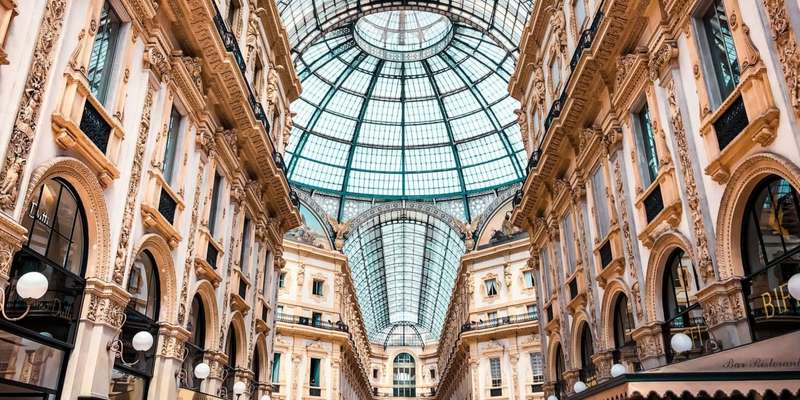
Navigating Milan's ticketing maze for major artworks
Securing access to Milan's crown jewels like The Last Supper requires military precision. Leonardo's faded masterpiece permits only 1,300 visitors daily in carefully timed 15-minute slots, with tickets selling out months ahead. The Duomo's terraces and Pinacoteca di Brera present similar challenges, where online reservation systems confuse even tech-savvy travelers. Many don't realize certain churches housing magnificent artworks like San Maurizio al Monastero Maggiore require no tickets at all. Local experts recommend setting calendar reminders exactly three months before your visit for Last Supper reservations, while early weekday mornings offer better availability for Brera Gallery. Some smaller museums participate in the Milano Card program, offering bundled access that bypasses individual ticket purchases.
UPDATES FOR YEAR 2026
Essential New Access Rules and Visitor Guidelines for Milan
Navigating Milan’s cultural landmarks now requires stricter adherence to new identity-linked ticketing protocols. Major sites, most notably the Cenacolo Vinciano, have transitioned to a strictly nominative system where the visitor's full name must match their government-issued ID at the entrance. Booking windows remain compressed, often releasing in rigid three-month blocks, making immediate reservation essential. Furthermore, travelers should account for the newly implemented tiered tourism tax, which has reached a maximum of €10 per night for high-end stays to support urban infrastructure during the current surge in international visitors. Beyond the staples, the cultural landscape is enriched by the long-awaited reopening of Leonardo’s Sala delle Asse at Castello Sforzesco and a series of city-wide 'Cultural Olympiad' installations that blend contemporary design with historic architecture.
View all Tours
Beyond the guidebooks: Milan's overlooked artistic treasures
While crowds cluster around Santa Maria delle Grazie, Milan conceals extraordinary artworks in plain sight. The Basilica di Sant'Eustorgio houses an entire Renaissance chapel painted by Vincenzo Foppa that rivals Florence's Brancacci Chapel, yet sees perhaps twenty visitors daily. The Museo del Novecento's terrace provides unparalleled views of the Duomo alongside its exceptional modern collection. Few tourists discover the medieval fresco cycles at San Gottardo in Corte or the contemporary art installations at Fondazione Prada. Knowledgeable guides can decode the symbolism in Castello Sforzesco's Sala delle Asse, where Leonardo's arboreal designs adorn the ceiling. These underappreciated sites offer profound artistic encounters without the jostling crowds, preserving the contemplative experience great art demands.
View all Tours
Timing your Milan art itinerary like a local
Milanese art lovers understand the city's cultural rhythm. Tuesday mornings find Brera nearly empty as locals work, while Thursday evenings see museums like Palazzo Reale extending hours for after-work visits. Summer months bring suffocating heat to unairconditioned spaces like Santa Maria presso San Satiro, making autumn ideal for comfortable exploration. The Navigli district's gallery openings on last Sundays attract fashionable Milanese rather than tourists. Savvy visitors coordinate with major exhibition openings at locations like Royal Palace to enjoy vernissage events. Many guided tours now offer exclusive early access to the Duomo Museum before public hours, when morning light perfectly illuminates its stained glass collection. These insider scheduling strategies transform a rushed checklist into a thoughtfully paced artistic journey.
View all Tours
Matching Milan tours to your artistic passions
Specialized tours now cater to every art historical interest in Milan. Fashion devotees can trace Fortuny's pleats through Museo Poldi Pezzoli's textiles, while design enthusiasts explore rationalist architecture around Porta Nuova. Some operators offer sketching workshops in Brera's courtyards or photography-focused walks through industrial heritage sites. For families, interactive treasure hunts at Castello Sforzesco make armor collections engaging for children. Serious scholars might prefer small-group seminars on Lombard painting techniques. The key lies in identifying guides with specific expertise rather than generic overviews - a Caravaggio specialist will reveal nuances in Ambrosiana's Basket of Fruit that general guides overlook. Many niche experiences cost comparable to standard tours while delivering profoundly richer engagement with Milan's artistic soul.
View all Tours
FAQ 2026
How do I secure Last Supper tickets in 2026?
Tickets for the Last Supper in 2026 must be booked through the official Cenacolo Vinciano website or authorized call center. Reservations typically open in three-month blocks; for example, tickets for February through April go on sale in mid-December. Note that all tickets are now strictly nominative, meaning you must provide the full name of each visitor at the time of purchase and present a matching ID at the door.
What is the updated Milan tourist tax for 2026?
Starting January 1, 2026, Milan has increased its overnight tourist tax. Visitors staying in four- and five-star hotels are charged €10 per person per night, while three-star hotels have a rate of €7.40. Short-term rentals and B&Bs are now subject to a €9.50 nightly fee. These funds are specifically allocated to city infrastructure and the preservation of heritage sites during this high-occupancy year.
Are there new entry requirements for the Milan Duomo in 2026?
Yes, in 2026, the Milan Duomo requires time-slot reservations for all areas, including the terraces and the archaeological site. Security protocols have been heightened, and visitors are encouraged to use digital QR-coded tickets to bypass manual check-in lines. While some combo passes like the 'Culture Pass' offer flexibility, the high demand means that weekend slots often sell out several weeks in advance.
Written by Milan Tours Editorial Team & Licensed Local Experts.
Last updated: 24/02/26
