Planning a trip to Milan for its world-famous cultural festivals often leaves travelers overwhelmed with timing dilemmas. Arrive too early, and you'll miss the peak energy; come too late, and you're stuck with sold-out events and inflated prices. Over 60% of first-time visitors to Milan's festivals regret not researching optimal dates, according to recent tourism surveys. The frustration compounds when you factor in unpredictable weather, accommodation shortages during peak periods, and the challenge of experiencing authentic local culture amid tourist crowds. This timing puzzle can turn what should be a magical immersion into Italian arts and traditions into a stressful game of logistical roulette. Even seasoned travelers struggle to balance ideal weather conditions, crowd levels, and the full festival program spread across Milan's diverse neighborhoods.
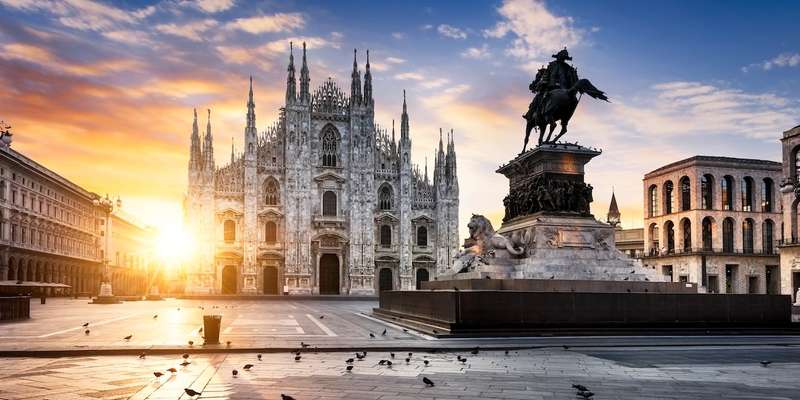
Decoding Milan's festival seasons – when locals mark their calendars
Milan's cultural heartbeat follows a rhythm that savvy travelers learn to read. The city transforms dramatically across seasons, with spring (April-May) bringing the legendary Salone del Mobile design week when showrooms and palazzos become immersive art installations. Summer surprises visitors with open-air opera at Arena Civica and neighborhood sagre (food festivals) that tourists rarely discover. Autumn delivers Milan's most prestigious event – the Fashion Week runway shows in September – while winter dazzles with the Ambrosian Carnival's ancient traditions. Locals know the sweet spots between major events when you can enjoy the festive atmosphere without peak prices. For instance, the week after Fashion Week still buzzes with related exhibitions and pop-up events, yet hotel rates drop significantly. Similarly, early December offers Christmas markets and La Scala's season opener without the New Year's Eve price surge.
UPDATES FOR YEAR 2026
Essential Logistics for Milan’s Olympic Year and Major Cultural Events
Navigating Milan requires new logistical precision due to the city hosting the Winter Games and expanded low-emission zones. Travelers must now register for the 'Area B' and 'Area C' access if arriving by car, though the integrated 'Milano Pass' remains the most efficient way to access public transport and festival venues. For the Salone del Mobile and Fashion Weeks, the city has transitioned to mandatory digital ticketing and pre-registration for most open-air events to manage capacity. To ensure entry at La Scala or the Oh Bej! Oh Bej! market, use the official 'YesMilano' platform for real-time crowd density maps and verified ticket secondary markets. Hotel availability is significantly tighter than previous seasons, particularly in February and April, so securing accommodation six to eight months in advance is now the standard for those attending headline cultural festivals.
View all Tours
Crowd-beating strategies for Milan's most popular festivals
The Duomo area becomes nearly impassable during September's Fashion Week and April's Design Week, but strategic timing can save your experience. Arrive for early morning apertura (openings) when venues are less crowded, or embrace the Italian riposo tradition by visiting during afternoon lulls when most tourists retreat to hotels. For must-see events like La Scala's December 7 opening night, purchase tickets the moment sales open (typically 2-3 months prior) through official channels. Alternatively, consider 'festival-adjacent' experiences – smaller galleries host parallel exhibitions during major events, often with free entry. The true insider move? Base yourself in emerging districts like Isola or Tortona rather than the Duomo tourist hub. You'll discover neighborhood festivals like the Tortona Design Night with equal charm but fraction of the crowds, plus easier access to transport links for reaching headline events.
View all Tours
Weather-smart planning for festival comfort
Milan's climate plays a crucial role in festival enjoyment that many visitors underestimate. Summer festivals like Milan Summer Festival (July-August) bring scorching pavements and humidity that can drain energy, making early evening the only comfortable time for outdoor events. Spring may seem ideal, but April's unpredictable showers can disrupt open-air design installations – always pack a compact umbrella. Autumn offers the goldilocks zone of mild temperatures perfect for Fashion Week's outdoor shows and aperitivo culture, though late October can bring sudden chills. Winter festivals like the Feast of Sant'Ambrogio (December 7) require thermal layers for the all-day street celebrations, but reward with steaming cups of vin brulé at every corner. Smart travelers check historical weather data for specific festival dates rather than general monthly averages, as a 10-day shift can mean completely different conditions.
View all Tours
Where to stay for seamless festival access
Your accommodation location can make or break a festival visit. The Brera district positions you perfectly for April's Design Week, with walking access to most showrooms and the Pinacoteca's evening events. For September Fashion Week, the Quadrilatero della Moda (Via Montenapoleone area) keeps you at the epicenter, though budget-conscious travelers can opt for nearby Città Studi with excellent metro connections. Music lovers should consider Porta Romana for proximity to the Conservatorio's concert series, while food festival enthusiasts will appreciate Navigli's canal-side apartments near monthly gastronomic markets. Whatever your festival focus, prioritize hotels with 24-hour reception – many Milanese cultural events run late, and you'll appreciate not being locked out. For longer stays during peak seasons, look for residential apartments in up-and-coming areas like Lambrate or Bicocca, where you'll live like a local while having direct tram lines to major venues.
View all Tours
FAQ 2026
When is the best time to visit Milan for cultural festivals in 2026?
The best time is either April for the Salone del Mobile (Design Week) or September for Women's Fashion Week. However, in 2026, February is a unique peak period as Milan co-hosts the Winter Olympics, blending international sports with traditional cultural celebrations.
How can I get tickets for Milan's 2026 Fashion Week events?
Most runway shows remain invite-only, but for 2026, many 'Fashion Hub' events and city-wide exhibitions require digital registration through the Camera Nazionale della Moda Italiana website. It is recommended to download the official event app at least one month prior for public access schedules.
Are there new tourist taxes or fees for Milan festivals in 2026?
Yes, Milan has adjusted its tourist tax based on hotel star ratings, with potential surcharges during 'major event' periods like the 2026 Winter Games and Design Week. Always check your booking confirmation to ensure the local city tax is included or clearly stated for your stay duration.
Written by Milan Tours Editorial Team & Licensed Local Experts.
Last updated: 24/02/26

