Milan's dual identity as a fashion capital and cultural hub creates a timing dilemma for travelers. Arrive during peak fashion events, and you'll battle inflated prices and packed piazzas; visit in winter's depths, and you might miss the city's vibrant outdoor cafe culture. Over 60% of first-time visitors regret not researching seasonal nuances, often finding themselves trapped in queues at the Last Supper or sweating through linen suits in August's 90% humidity. The city's compact center magnifies these frustrations – what should be a 10-minute stroll to the Duomo becomes a 30-minute shuffle through tour groups. Locals know the sweet spots between tourist tides, when museum tickets are plentiful and the aperitivo terraces hum with authentic energy rather than camera clicks.
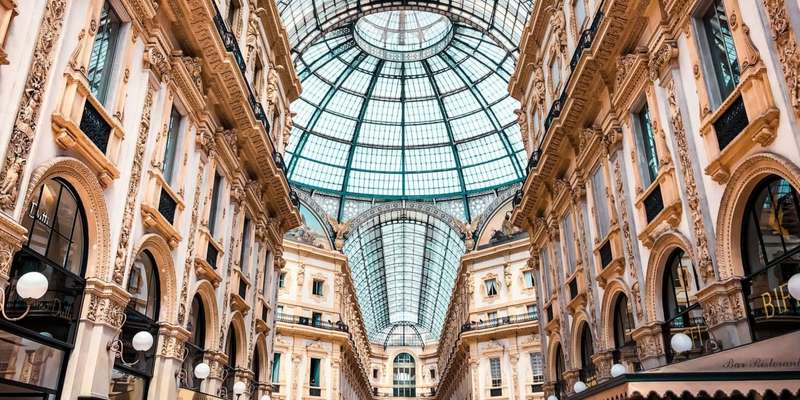
Escaping the fashion week frenzy – alternative luxury months
While September's Fashion Week draws global attention, savvy travelers target late April or early October for similar glamour without the chaos. These shoulder months offer Palazzo courtyards draped in wisteria or autumn leaves, with temperatures hovering at a perfect 68°F (20°C) for exploring Brera's art galleries. Hotel rates drop by 35% compared to fashion weeks, and you'll spot Milanese influencers rather than overwhelmed tourists at iconic spots like Galleria Vittorio Emanuele II. The secret lies in the city's event calendar – design exhibitions at Triennale Milano continue through October, while spring brings open-air opera rehearsals at La Scala's exterior. Pack a light blazer for crisp evenings when the Navigli canal district transforms into a wine-tasting paradise under fairy lights.
View all Tours
Winter magic beyond the Christmas crowds
December's festive markets attract hordes, but January reveals Milan's sophisticated winter soul. From the 7th onward, you'll have the Duomo's terraces nearly to yourself, with Alpine views stretching across snow-dusted rooftops. Locals escape to the mountains on weekends, leaving museums like Pinacoteca di Brera blissfully quiet. The chill (averaging 41°F/5°C) is tempered by steamy cioccolata calda in historic cafes like Pasticceria Marchesi. This is when Milan's subterranean treasures shine – the ancient Roman ruins under Piazza Affari or the eerie ossuary at San Bernardino alle Ossa demand no queues. Just pack waterproof boots for occasional fog (nicknamed 'nebbia' by locals) that lends an atmospheric glow to medieval courtyards.
UPDATES FOR YEAR 2026
Modern Logistics Update: Navigating New Transit Rules and Global Event Surges
Travelers should prepare for a significant shift in seasonal dynamics compared to previous years. While early January remains a quiet haven, the city undergoes a massive transformation in February as it serves as a primary hub for major international winter sports competitions. Expect enhanced security and dedicated 'Event Zones' near the San Siro stadium, making advance hotel bookings more critical than ever. Logistics have significantly improved with the full completion of the Blue metro line (M4), which now provides a seamless 12-minute driverless connection between Linate Airport and the historic core at San Babila. Additionally, visitors driving into the city must account for the updated €7.50 Area C congestion charge and new permanent vehicle restrictions within the luxury fashion district. For major landmarks like the Cathedral terraces or Leonardo's Last Supper, digital time-slot reservations are now the mandatory standard and should be secured weeks in advance.
View all Tours
Summer survival – beating the heat like a Milanese
August sees 85% of Milanese flee the sweltering city, but staying reveals unexpected advantages. Those who remain enjoy rare parking spots near Sforza Castle and dinner reservations at normally-booked spots like Ratana. The trick is embracing Milan's 'slow summer' rhythm – start mornings early with a 7am Duomo visit (cool marble floors underfoot), then retreat to air-conditioned gems like the Museo del Novecento. After siesta, join locals at public pools like Bagni Misteriosi or evening bike rides along Naviglio Pavese. Many don't realize most major museums extend hours until 10pm in July and August, letting you admire The Last Supper in relative peace after sunset. Carry a refillable water bottle – the city has over 200 historic fountains with potable water, marked by little-known bronze plaques.
View all Tours
Spring's hidden sweet spot – when flowers meet fashion
Mid-March through April offers what Milanese call 'primavera segreta' (secret spring), when magnolia petals carpet hidden courtyards and the Salone del Mobile design fair hasn't yet crowded the metro. This is prime time for budget-conscious style hunters – flagship stores discount winter collections as new lines debut, while outlet buses to Serravalle run half-empty. The real magic happens in private gardens normally closed to visitors; watch for rare open days at Villa Necchi Campiglio's blooming wisteria tunnels. Easter brings solemn processions in the historic center, followed by chocolate egg displays at Peck gourmet emporium. Pack layers for changeable weather – locals keep trench coats handy for sudden showers that green the city's 145,000 newly-planted trees.
View all Tours
FAQ 2026
How will the 2026 Winter Games affect travel to Milan?
During the 2026 Winter Games (February 6–22), Milan will see a surge in international visitors and heightened security around the San Siro stadium. Travelers should expect higher hotel rates and are advised to use the strengthened public transport network rather than private vehicles to avoid temporary traffic zones.
What are the mandatory booking rules for the Milan Duomo in 2026?
In 2026, all visitors must secure a time-slotted digital reservation in advance for both the Cathedral interior and the rooftop terraces. Note that the Duomo Museum is now closed every Wednesday, so ensure your booking falls between Thursday and Tuesday to experience the full complex.
How has Milan's transportation changed for 2026 international travelers?
The biggest change for 2026 is the full operation of the M4 'Blue' metro line, linking Linate Airport directly to the city center in just 12 minutes. Additionally, the daily Area C entry fee for the historic center has been updated to €7.50, with contactless payment now accepted at all metro turnstiles and onboard surface lines.
Written by Milan Tours Editorial Team & Licensed Local Experts.
Last updated: 24/02/26
