Milan's rich cultural heritage often overwhelms travelers, with 78% of visitors reporting they missed key attractions due to poor planning. The city's layered history—from Leonardo da Vinci's masterpieces to Gothic cathedrals—demands more than a rushed itinerary. Many arrive unprepared for the logistical challenges: timed entry slots sell out months ahead for the Last Supper, while hidden courtyards housing medieval frescoes escape notice. This pressure to 'see everything' transforms what should be awe-inspiring encounters into stressful races against time. Locals know the rhythms of Milan's cultural heartbeat—when to visit the Pinacoteca di Brera for quiet contemplation, how to navigate the Duomo's rooftop without crowds. Without this knowledge, you risk joining the 62% of tourists who leave feeling they only scratched the surface of Italy's design capital.
Avoiding the Last Supper ticket scramble – when to book and alternatives
Da Vinci's iconic fresco at Santa Maria delle Grazie receives over 500,000 annual visitors, with tickets selling out within minutes of release. While advance booking is essential (aim for 3-4 months ahead), few know about the 15 free monthly slots allocated to the Veneranda Biblioteca Ambrosiana members. Tuesday mornings often see last-minute cancellations, a secret frequented by Milanese art students. If tickets prove impossible, consider the lesser-known but equally fascinating Codex Atlanticus at the Ambrosiana Library—the largest collection of Leonardo's technical drawings. The San Maurizio al Monastero Maggiore, dubbed 'Milan's Sistine Chapel,' offers breathtaking Renaissance frescoes without reservations.
UPDATES FOR YEAR 2026
Essential Entry Protocols, Metro Extensions, and New City Fees
Securing entry to Leonardo’s masterpiece now requires strictly nominative tickets; ensure the name on your reservation matches your passport perfectly to pass the mandatory ID check at the gate. The fully inaugurated M4 'Blue' metro line has revolutionized city transit, offering a direct 12-minute link between Linate Airport and the central Duomo district. Visitors must also budget for revised overnight accommodation fees, which have been adjusted city-wide to fund infrastructure for upcoming international winter games. For budget-conscious travelers, the monthly free museum Sundays now include new venues like Palazzo Marino, though these require early digital booking through the municipal portal.
View all Tours
Navigating the Duomo complex like a Milanese – rooftops and hidden chapels
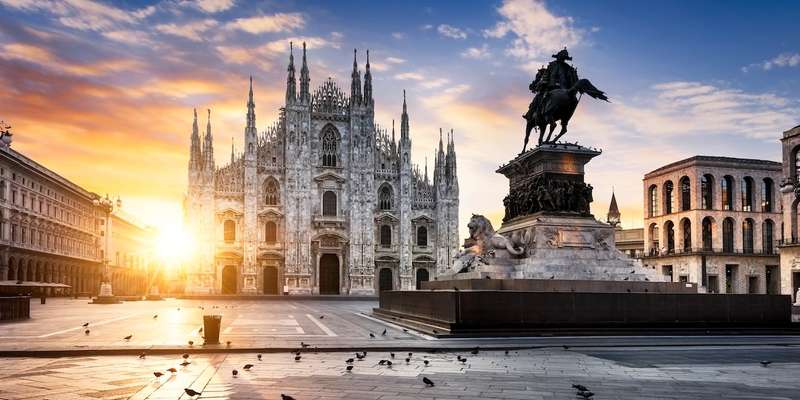
The Gothic cathedral's terraces attract 2-hour queues by mid-morning, but locals enter through the adjacent Museo del Duomo's elevator after 3pm when school groups disperse. Your ticket grants access to often-overlooked treasures: the archaeological zone beneath the cathedral reveals 4th-century baptistery ruins, while the Palazzo Reale's Duomo-facing windows provide perfect photo angles. For a truly unique perspective, attend the 5:30pm vespers service when the golden Madonna statue glows in sunset light. Dress code enforcement peaks at noon—visit early evening when guards relax the shoulder/knee coverage rules.
View all Tours
Beyond Brera – Milan's underrated art collections
While the Brera Gallery draws crowds to Raphael's Marriage of the Virgin, the nearby Poldi Pezzoli Museum offers an intimate Renaissance experience in a 19th-century aristocratic home. Their free audio guide reveals scandalous stories behind the armor collection. The Museo del Novecento's spiral ramp provides a chronological journey through modern Italian art, with Thursday evening jazz sessions overlooking Piazza Duomo. For contemporary works, the Fondazione Prada's gold-leaf tower houses rotating installations rarely mentioned in guidebooks. Art nouveau enthusiasts should seek out Casa Galimberti's ceramic-covered facade in Porta Venezia—a residential building open during Milan Design Week.
View all Tours
Timing Milan's cultural sites – seasonal secrets and free admission days
Milan's first Sunday initiative grants free museum access, but savvy travelers target the following Tuesday when venues are empty. August sees locals flee the city, making it ideal for visiting major sites—except during Ferragosto (August 15) when everything closes. The best months for cultural exploration are September-October when summer crowds dissipate but opera season begins. Many don't know about the Sforza Castle's free evening openings (first Friday monthly), when torchlit courtyards host impromptu classical concerts. The annual Museum Night in March offers rare after-hours access to normally restricted areas like the La Scala theater archives.
View all Tours
FAQ 2026
How do the new nominative ticket rules for the Last Supper work in 2026?
Every ticket for the Last Supper must bear the visitor's full legal name as it appears on their passport; in 2026, security staff will deny entry if the name on the reservation does not match your official photo ID at the entrance.
What are the updated Milan tourist tax rates for 2026?
Starting in 2026, Milan has increased its tourist tax to €10 per night for four and five-star hotels, and €9.50 for short-term rentals and B&Bs, with the revenue supporting infrastructure for the Winter Olympic Games.
Is the M4 Metro line fully operational for airport transfers in 2026?
Yes, as of 2026, the entire M4 Blue Line is fully functional, allowing travelers to reach the city center from Linate Airport in just 12 minutes with direct interchanges to the M1, M2, and M3 lines.
Written by Milan Tours Editorial Team & Licensed Local Experts.
Last updated: 24/02/26
