Navigating Milan with mobility challenges presents unique frustrations many travelers underestimate. Over 30% of wheelchair users report abandoning trips to Italy due to accessibility concerns, with historic cities posing particular difficulties. Cobblestone streets, uneven pavements, and centuries-old buildings without elevators transform what should be magical cultural experiences into exhausting logistical battles. The Duomo's majestic spires become tauntingly inaccessible when you discover only partial wheelchair routes. Brera's charming alleys turn stressful when encountering unexpected stepped entries. Even modern amenities like Milan's metro system have inconsistent elevator access between lines. These barriers don't just limit sightseeing - they create emotional strain when carefully planned itineraries unravel. Yet Milan holds surprising accessibility wins for those who know where to look, from Renaissance masterpieces with dedicated entrance routes to tram lines with boarding platforms.
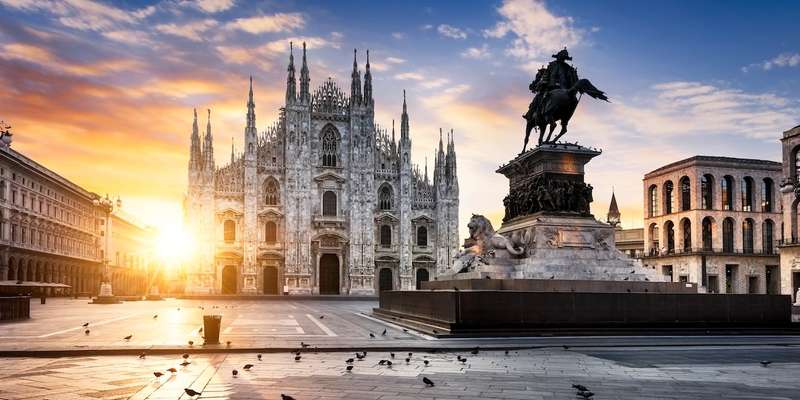
Avoiding Milan's wheelchair accessibility traps
Many travelers assume Italy's fashion capital would prioritize modern accessibility, but Milan presents a mix of progressive infrastructure and historic limitations. The metro system exemplifies this contrast - while the newer M5 (purple) line features elevators at every station, older lines may have just one accessible stop per route. Taxis present similar inconsistencies; only vehicles marked 'taxi for all' guarantee wheelchair ramps. Even popular attractions like Santa Maria delle Grazie (home of The Last Supper) require advance notice for lift access. Smart planning starts with identifying these hidden obstacles. Prioritize districts like Porta Nuova with its smooth pavements over Navigli's uneven cobblestones. Download the ATM Milano app to filter metro stations by elevator availability. For galleries, always check individual websites for 'disabili' access details rather than relying on general accessibility labels.
UPDATES FOR YEAR 2026
Olympic-Grade Accessibility Upgrades and New Metro Interchanges
In preparation for the upcoming Winter Games, Milan has undergone a massive infrastructure overhaul to eliminate long-standing 'accessibility traps.' The new M4 (Blue) line is now fully operational, providing 100% barrier-free travel from Linate Airport to the city center with elevators at every stop. Furthermore, a multi-million euro investment has retrofitted dozens of stations on the older M1 and M2 lines with modern lifts and stairlifts. To avoid fines, travelers using a disabled parking permit (CUDE) must now register their license plate digitally on the Municipality's official portal before entering the 'Area C' and 'Area B' traffic zones; this registration can be completed up to 48 hours after your first transit. For real-time reliability, the ATM Milano app now features a live 'elevator status' filter, allowing you to bypass stations with temporary maintenance issues.
View all Tours
Seamless routes to Milan's top wheelchair-friendly attractions
Milan rewards wheelchair users who know the optimized pathways to its iconic sites. The Duomo offers a dedicated entrance on its right flank (facing the facade) with elevators to both the terrace and cathedral interior - arrive before 10am to avoid elevator queues. Nearby, the Museo del Novecento provides full accessibility via its rear entrance on Via Marconi. For Leonardo da Vinci experiences, the Science Museum's interactive exhibits are entirely wheelchair-accessible, while the Last Supper viewing platform accommodates wheelchairs with 72-hour advance booking. Don't miss the modern art at Pirelli HangarBicocca, where spacious industrial halls allow easy navigation. When moving between sites, tram line 7 offers low-floor boarding at designated stops, providing a scenic alternative to the metro. These carefully curated routes transform Milan from challenging to enjoyable, proving accessibility and Renaissance beauty can coexist.
View all Tours
Where to stay: Wheelchair-accessible hotels with smart location perks
Choosing the right neighborhood and hotel features makes all the difference for stress-free Milan wheelchair access. The Quadrilatero della Moda area combines flat sidewalks with proximity to accessible attractions and the Duomo M3 metro stop. The Room Mate Giulia offers roll-in showers and adjustable beds just 200 meters from Piazza del Duomo. Business district hotels like the Meliá Milano provide generous accessible rooms near Porta Garibaldi station's elevators. For budget-conscious travelers, the Ibis Milano Centro has adapted bathrooms and a ramp entrance steps from the tram 12 stop. Regardless of price point, always confirm these specifics: shower seat availability, emergency call buttons, and whether 'accessible' rooms have step-free balcony access. Many hotels advertise accessibility but place adapted rooms on upper floors with no elevator access to spas or breakfast areas - a crucial detail to verify before booking.
View all Tours
Local secrets for wheelchair users beyond the tourist track
Milan's hidden accessibility gems often escape guidebooks. The 19th-century Galleria Vittorio Emanuele II, while stunning, has uneven mosaic floors; instead, browse luxury boutiques at Eataly Smeraldo with its smooth surfaces and accessible restrooms. For park relaxation, the recently renovated Indro Montanelli Gardens offer paved paths through ornamental ponds, a stark contrast to Sempione Park's gravel trails. Foodies will appreciate Ratana's ground-level dining and spacious layout versus crowded traditional trattorias. Cultural surprises include the Prada Foundation's contemporary art campus, fully accessible with loaner wheelchairs available. Evening entertainment shines at Blue Note Milano jazz club, which reserves prime wheelchair spaces. These local-approved spots reveal Milan's evolving accessibility scene, where thoughtful design meets Italian flair. Even transportation holds surprises - the Cadorna to San Cristoforo bike path provides a smooth, car-free route across the city when you need a metro alternative.
View all Tours
FAQ 2026
How has the Milan Metro accessibility improved for the 2026 Paralympic season?
The entire M4 (Blue) line is now fully open and 100% wheelchair accessible, connecting Linate Airport directly to the central districts. Additionally, dozens of historic stations on the M1 and M2 lines have been retrofitted with new elevators and stairlifts to meet strict Paralympic mobility standards.
What are the 2026 digital registration rules for disabled parking permits in Milan's ZTL?
All Blue Badge holders must register their vehicle's license plate online via the Milan Municipality website to access 'Area C' and 'Area B' without receiving automated fines. For international visitors with foreign plates, this digital authorization is valid for 60 days and must be linked to the permit holder's ID.
Are there mandatory booking changes for wheelchair users visiting the Last Supper in 2026?
Yes, due to extreme demand during the Olympic year, timed reservations must be secured at least three months in advance through the official Cenacolo Vinciano portal. While disabled visitors and one companion qualify for free entry, they must still hold a digital nominative ticket that matches their photo ID at the entrance.
Written by Milan Tours Editorial Team & Licensed Local Experts.
Last updated: 24/02/26

