Milan dazzles with architectural masterpieces spanning centuries, yet most visitors miss its hidden wonders while battling crowds at major sites. Over 70% of travelers report frustration with long lines at the Duomo, unaware that quieter alternatives offer equally stunning experiences just blocks away. The city's layered history—from medieval marvels to futuristic skyscrapers—demands local knowledge to appreciate fully. Without insider guidance, you risk wasting precious vacation hours navigating tourist traps instead of discovering serene courtyards where Renaissance nobles once walked. Architectural enthusiasts particularly struggle to balance iconic landmarks like Santa Maria delle Grazie with contemporary showstoppers in the Porta Nuova district. This disconnect leaves many feeling they've only scratched the surface of Milan's design legacy.
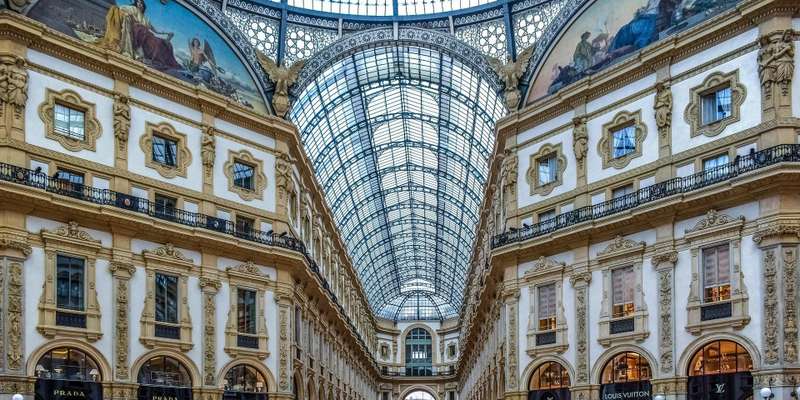
Avoiding the Duomo crowds without missing its grandeur
While the cathedral's facade demands admiration, its interior queues can devour half your day. Savvy visitors admire the spires from the adjacent Galleria Vittorio Emanuele II's mosaic floors – this 19th-century arcade offers framed perspectives few photographers utilize. For elevated views without the staircase climb, Terrazza Martini provides aperitivo with panoramic vistas across the marble forest of pinnacles. Those determined to enter should note the south sacristy door often has shorter lines, especially during weekday mass times when locals outnumber tourists. Don't overlook the Duomo's rooftop access from the rear elevator – it's pricier than the stairs but saves energy for exploring the terraces where you can examine gargoyles up close.
UPDATES FOR YEAR 2026
Crucial Access Updates and Olympic-Era Logistics
Navigating the historic heart of the city now requires accounting for the strictly enforced 'Quadrilatero della Moda' restricted zone, which has transitioned to a 24/7 vehicle ban for non-residents. Additionally, the daily entry fee for the historic center (Area C) is now set at €7.50. For architectural enthusiasts, the skyline has been permanently enriched by the newly completed Olympic Village at Porta Romana and the Santa Giulia Arena, both showcasing the latest in sustainable urbanism. Travelers must also note that major landmarks, including the Duomo and Leonardo’s Last Supper, now utilize mandatory nominative ticketing; your digital pass must exactly match the name on your government-issued ID to clear security. Finally, be prepared for adjusted tourist taxes, which now reach up to €12 per night in luxury accommodations to support city-wide infrastructure and Olympic legacy projects.
View all Tours
Unlocking Milan's secret medieval passages
Beyond the Renaissance glories, Milan conceals atmospheric remnants of its Gothic past in plain sight. The Biblioteca Ambrosiana's Bramante-designed cloister remains startlingly quiet despite being steps from the bustling Piazza del Duomo. Walk the original Roman walls near Sant'Ambrogio Basilica, then discover the hidden medieval porticoes of Casa degli Omenoni – their weathered telamons whisper stories of 16th-century sculptors. For a true time capsule, seek out San Maurizio al Monastero Maggiore; locals call this unassuming exterior 'the Sistine Chapel of Milan' for its breathtaking fresco cycles that rival Vatican masterpieces. These overlooked sites require no tickets or queues, just knowledge of their existence and opening hours.
View all Tours
Navigating Milan's modernist marvels like a design insider
The city's 20th-century architectural revolution unfolds along Via Turati, where Gio Ponti's geometric Pirellone skyscraper pioneered Italian modernism. Few tourists realize the nearby Torre Velasca offers guided tours revealing how its controversial 'mushroom' design bridges medieval and contemporary aesthetics. For brutalist enthusiasts, the Santa Giulia residential complex showcases Milan's experimental 1970s housing projects, best appreciated with explanations of their social context. Even the much-photographed Bosco Verticale reveals new dimensions when viewed from the library terrace of Palazzo Reale – this vantage point shows how the living towers integrate with the historical skyline. Evening brings magic to these sites as their illuminated forms create dramatic contrasts against Milan's twilight hues.
View all Tours
Curating your perfect architecture day with local timing secrets
Milanese light transforms buildings dramatically between morning and afternoon – the Duomo's reliefs glow gold around 10am, while Palazzo Marino's courtyard achieves perfect shadow play by 3pm. Start early at Santa Maria presso San Satiro to witness Bramante's architectural illusion in soft dawn light, then progress chronologically toward modern masterpieces. Lunch hours (1-3pm) become prime viewing time at typically crowded spots like the Galleria's glass dome, when business diners occupy tables but tourists disperse. Save contemporary landmarks like the Fondazione Prada for late afternoons, when their minimalist surfaces catch the setting sun. This rhythm not only optimizes photography conditions but aligns with Milan's cultural pulse, letting you experience spaces as locals do rather than following tourist herd patterns.
View all Tours
FAQ 2026
Do I need to book Duomo tickets in advance for my 2026 visit?
Yes, digital pre-booking is mandatory for the Cathedral interior and the terraces. Tickets are now nominative, meaning the name on the booking must match your physical ID for entry verification.
What are the 2026 driving restrictions in Milan's city center?
The historic center (Area C) requires a €7.50 daily fee, while the 'Quadrilatero della Moda' (the high-end fashion district) is now a 24/7 restricted zone where unauthorized tourist vehicles are strictly prohibited.
Which new architectural landmarks should I see in Milan during 2026?
The 2026 Winter Olympics legacy has introduced the Porta Romana Olympic Village and the David Chipperfield-designed Santa Giulia Arena as essential modern landmarks representing the city's sustainable design evolution.
Written by Milan Tours Editorial Team & Licensed Local Experts.
Last updated: 24/02/26
