Milan is often overshadowed by its famous landmarks like the Duomo and La Scala, leaving many travelers unaware of its hidden treasures. The frustration of battling crowds and missing authentic experiences is real—over 70% of visitors spend less than two days in the city, barely scratching its surface. Locals guard secret courtyards, underground art spaces, and neighborhood oases that most guidebooks ignore. These overlooked spots offer intimate cultural encounters without queues or inflated prices, yet finding them requires insider knowledge most tourists lack. This disconnect leaves travelers with generic itineraries when Milan has so much more to offer beneath its polished facade.
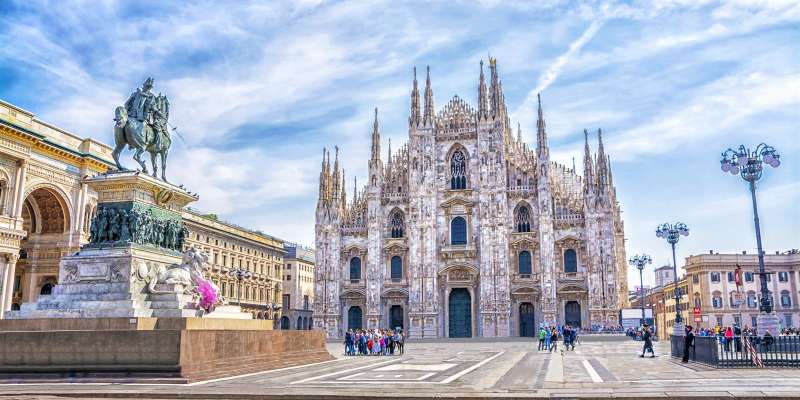
Escaping the tourist traps – where Milanese actually unwind
While the Navigli canals attract Instagrammers, Milan's residents prefer quieter alternatives like the Orto Botanico di Brera. This 18th-century medicinal garden hides behind unassuming gates near the Pinacoteca, offering free admission and a canopy of ginkgo trees that turn gold in autumn. Similarly, the Casa degli Atellani's secret vineyard—planted by Leonardo da Vinci himself—provides an oasis minutes from Santa Maria delle Grazie. For those seeking local hangouts, the vintage bookshops and artisan workshops of Via Paolo Sarpi's backstreets reveal Milan's creative heartbeat. These spots require no tickets or reservations, just curiosity to venture beyond central piazzas where over 80% of visitors cluster according to municipal tourism data.
UPDATES FOR YEAR 2026
Crucial Access Updates for Hidden Courtyards and Local Sites
Travelers should note a significant change regarding one of the city's most famous hidden spots: Leonardo’s Vineyard at Casa degli Atellani is currently closed to the public following its acquisition by a private luxury group. While the garden is no longer accessible, visitors can find a similar botanical escape at the newly expanded Biblioteca degli Alberi (BAM) in the Porta Nuova district. Additionally, logistical planning is now more critical due to a substantial increase in the city's overnight stay tax, which has risen to support extensive infrastructure upgrades. Most local transport and smaller museums have transitioned to contactless-only entry, making digital wallets essential for navigating the 'Isola' and 'Tortona' districts effectively.
View all Tours
Underground Milan – unlocking the city's layered history
Beneath Milan's fashion-forward surface lies a network of forgotten spaces waiting to be explored. The San Bernardino alle Ossa's bone chapel—adorned with centuries-old skeletal arrangements—is overshadowed by the nearby Duomo yet equally breathtaking. More adventurous travelers can descend into the WWII bunkers under Stazione Centrale or the Roman ruins beneath Piazza Affari. Local historians occasionally lead small-group tours through these subterranean wonders, offering context you won't find on plaques. For self-guided exploration, the medieval aqueducts visible at Parco delle Basiliche provide free access to Milan's archaeological layers. These sites deliver profound historical connections without the queues of major museums, though some require advance research for access.
View all Tours
Neighborhood secrets – where to experience authentic Milanese life
The residential district of Isola proves Milan isn't all designer boutiques. Its pastel-hued houses and independent galleries thrive beneath the Bosco Verticale towers, hosting monthly art walks that even many locals miss. Further south, the former industrial zone of Via Tortona transforms abandoned factories into pop-up concept stores during Design Week. For foodies, the morning market at Via Fauché offers truffle vendors and cheese mongers serving generations of Milanese families—a stark contrast to touristy Mercato di Via Fauche. These areas reward visitors who venture beyond the metro's central stops, with trams #2 and #10 providing scenic routes to these local hubs. Weekday mornings deliver the most authentic interactions, before weekend crowds arrive.
View all Tours
Timing secrets – when Milan's hidden gems shine brightest
Strategic timing transforms Milan's secret spots from pleasant to magical. The 16th-century Biblioteca Ambrosiana reveals Leonardo's Codex Atlanticus pages on rotating display—Tuesday mornings see minimal student groups. Similarly, the rooftop of Palazzo Lombardia offers free Wednesday afternoon access with skyline views that rival the paid Duomo terraces. Even well-known sites like Santa Maria presso San Satiro hide surprises; visit at 11am when sunlight illuminates Bramante's forced-perspective choir, creating an optical illusion even regulars admire. Local experts suggest late April for the wisteria explosion at hidden courtyards near Porta Venezia, or August when Milanese depart on holiday and the city reveals its quieter rhythms. These nuanced moments require no extra budget, just thoughtful scheduling.
View all Tours
FAQ 2026
Is Leonardo’s Vineyard at Casa degli Atellani open to the public in 2026?
No, Leonardo's Vineyard and the Casa degli Atellani are currently closed to the public for private renovations following their purchase by the LVMH group and are not expected to host regular tours this year.
What is the daily tourist tax for visitors in Milan during 2026?
For 2026, the tourist tax has increased significantly to roughly €7.40 to €10.00 per person, per night for most hotels and short-term rentals to help fund infrastructure for the Winter Olympic Games.
How will the 2026 Winter Olympics impact access to Milan's hidden gems?
While most hidden gems remain open, expect temporary security closures at sites near official venues (like the Brera district) during the February event period, and significantly higher demand for public transport lines M2 and M3.
Written by Milan Tours Editorial Team & Licensed Local Experts.
Last updated: 24/02/26
