Navigating Milan with mobility challenges can feel overwhelming for disabled travelers. With over 15% of international visitors requiring some form of accessibility accommodation, the frustration of encountering unexpected barriers ruins what should be a magical Italian getaway. Many historic sites weren't designed with modern accessibility standards, leaving wheelchair users facing steep stairs at iconic landmarks or metro stations without elevators. The anxiety of not knowing which attractions truly accommodate special needs often forces travelers to limit their itineraries or miss out entirely. Local understanding of accessibility also varies greatly, making it difficult to trust generic 'disabled-friendly' claims online. These challenges transform what should be an inspiring cultural journey into a stressful series of logistical hurdles.
Navigating Milan's metro with limited mobility
Milan's metro system presents both opportunities and challenges for disabled travelers. While Linea 1 (red line) boasts near-complete accessibility with elevators at all stations, older lines like Linea 2 (green) still have significant gaps. The Duomo and Cadorna stations serve as accessible hubs connecting to major attractions. Always verify elevator status in real-time using ATM's official app, as maintenance closures occur frequently. For wheelchair users, the tram network (particularly newer models on lines 7 and 10) often proves more reliable than unpredictable metro elevators. Taxis with wheelchair ramps can be booked through specialized services like Taxi Blu, though advance reservation is recommended during peak hours. Remember that many historic center streets have cobblestones, making wheeled mobility aids vibrate uncomfortably - planning routes along major thoroughfares like Via Dante minimizes this issue.
UPDATES FOR YEAR 2026
Essential Accessibility Updates: New Metro Lines and Major Event Logistics
The newly completed Blue Line (M4) has transformed cross-city travel, offering 21 fully accessible stations with step-free access and modern elevators connecting Linate Airport directly to the city center in just 12 minutes. This automated system represents the highest standard of mobility currently available in the city. For major international winter events, the metro network has implemented extended service hours, with trains running until 2:00 AM during peak competition periods. Specialized shuttle services now bridge the gap between main transport hubs and event venues like Rho Fieramilano and the Santagiulia Ice Hockey Arena for passengers with reduced mobility. Additionally, the transit system has pivoted toward contactless 'Tap & Go' payments and the RicaricaMi digital card, significantly reducing the physical barriers often encountered at older ticket vending machines. Travelers using private vehicles should note that environmental regulations have tightened in the central district, making it essential to register your disability permit (CUDE) on the official municipal portal to ensure fee-free access and parking within restricted zones.
View all Tours
Wheelchair-friendly cultural attractions you can't miss
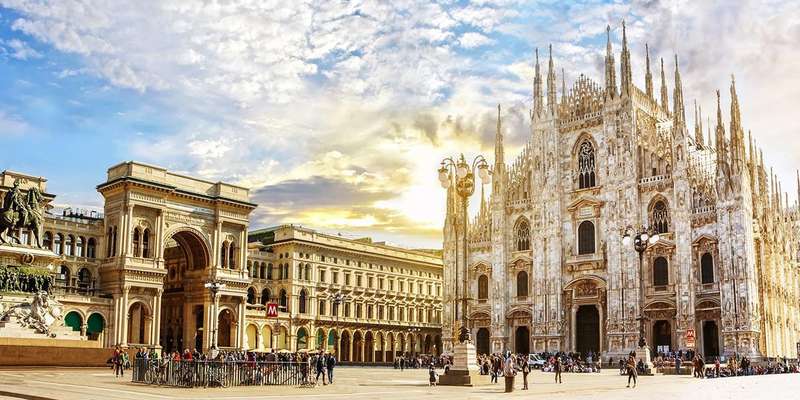
Milan's crown jewel, the Duomo Cathedral, offers comprehensive accessibility despite its ancient architecture. A dedicated entrance on the right side bypasses stairs, and elevators reach the terrace for those wanting to admire the spires. The Last Supper viewing at Santa Maria delle Grazie provides reserved time slots for disabled visitors with direct elevator access - book months ahead as these slots are limited. For modern art lovers, the Pirelli HangarBicocca contemporary space is fully accessible with tactile paths for visually impaired guests. Don't overlook the Sforza Castle's accessible ground-floor route showcasing Michelangelo's final sculpture. The Leonardo da Vinci National Science Museum goes beyond ramps, offering special tactile exhibits and wheelchair-height displays. Many venues provide free admission for disabled visitors plus one companion - always inquire as this isn't always advertised online.
View all Tours
Accessible dining and rest areas across the city
Finding restaurants with proper facilities makes all the difference when exploring Milan with mobility challenges. The Brera district concentrates several accessible options, including Ristorante Pomiroeu with its ground-level entrance and spacious interiors. For quick breaks, the Feltrinelli Red bookshop near Duomo has an accessible cafe with adapted restrooms. Many traditional Milanese trattorias in the Navigli district have steps at entry, but Osteria del Binari stands out with its ramp and wide aisles between tables. Coffee culture is integral to Milan, and Pasticceria Marchesi (the historic cafe favored by locals) offers street-level access at its Galleria Vittorio Emanuele location. Public accessible restrooms are scarce, but department stores like La Rinascente on Piazza Duomo maintain clean, spacious facilities on upper floors reachable by elevator.
View all Tours
Essential accessibility resources and local services
Smart preparation transforms Milan's accessibility challenges into manageable experiences. The city's official tourism office provides updated PDF maps marking wheelchair-accessible routes, available at all info points. For equipment rentals, Milano Accessibile delivers wheelchairs and mobility scooters directly to hotels, including all-terrain models for cobblestone streets. Unexpected needs arise, and Fisioterapia Milano offers emergency physiotherapy house calls for travelers experiencing mobility flare-ups. During major fashion events or design week, temporary wooden ramps often appear at show venues - check event websites for accessibility requests. Many locals don't realize that ATM public transport offers free travel cards for disabled visitors upon presentation of medical documentation at designated offices. For peace of mind, the non-profit Accessible Italy provides last-minute accessibility verification calls to venues in English.
View all Tours
FAQ 2026
Is the Milan metro fully accessible for the 2026 Winter Games?
Yes, major upgrades have been completed, including the full opening of the M4 (Blue Line) which is 100% accessible. Additionally, 26 older metro stations have been retrofitted with new elevators and lifts to handle the increased influx of visitors for the 2026 events.
What are the public transport costs for disabled travelers in Milan for 2026?
The standard fare is €2.20 per journey, but for the 2026 Winter Games, all registered Olympic and Paralympic stakeholders can travel for free. Regular disabled visitors can use the ATM app for real-time elevator status and simplified digital ticketing through the RicaricaMi system.
How do I access Milan's Area C with a disability permit in 2026?
Holders of a valid European disability permit must register their vehicle's license plate on the Milan City Council website to be exempt from the congestion charge. In 2026, environmental rules are stricter, but registered permit holders remain exempt from access fees and can use dedicated parking zones throughout the city.
Written by Milan Tours Editorial Team & Licensed Local Experts.
Last updated: 24/02/26
