Solo travel in Milan can be exhilarating, but safety concerns often loom large for independent explorers. Over 60% of solo travelers report anxiety about choosing safe neighborhoods, according to recent travel surveys. The maze of Milan's vibrant districts presents a paradox – you want the authentic local experience, but not at the risk of compromised safety. Many visitors struggle to distinguish between genuinely secure areas and those best avoided after dark, leading to unnecessary stress that shadows their Italian adventure. This uncertainty frequently results in travelers either overspending on premium accommodations or limiting their exploration to tourist bubbles, missing Milan's true character. The challenge lies in finding that perfect balance where safety, convenience, and local flavor intersect – knowledge that typically only residents possess.
Navigating Milan's Safest Districts – A Local's Perspective
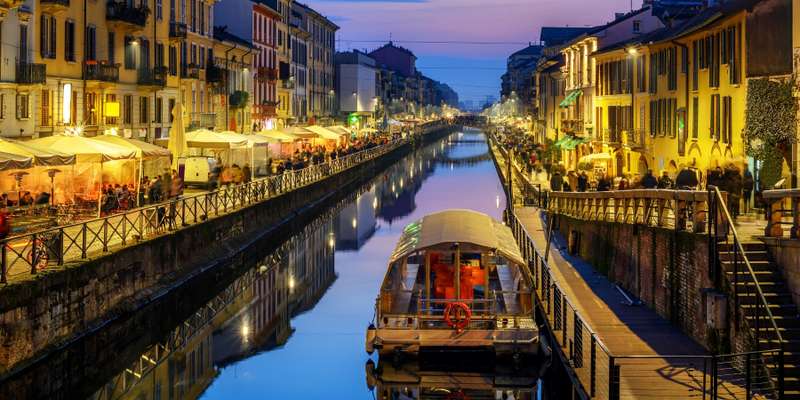
Milan's safety mosaic reveals clear patterns when you know where to look. The Brera district emerges as a top contender, with its well-lit cobblestone streets and constant police presence near the Pinacoteca art gallery. This artsy neighborhood maintains a village-like atmosphere while being just minutes from the Duomo, offering both security and charm. South of the center, Porta Romana attracts savvy solo travelers with its residential vibe and excellent public transport links. Local Milanese families frequent its authentic trattorias until late, creating natural street surveillance. The emerging Isola district north of Garibaldi Station defies expectations – once industrial, it's now a creative hub with one of Milan's lowest crime rates. What these areas share are active community watch programs, visible municipal security cameras, and a critical mass of evening foot traffic that keeps streets lively but not overwhelming. Police data shows these neighborhoods consistently report fewer pickpocketing incidents than the Duomo area, despite being equally central.
View all Tours
Red Flags and Green Lights – Reading Milan's Street Safety Cues
Milan's urban fabric tells subtle safety stories through architectural details and street rhythms. Neighborhoods with continuous ground-floor cafés or shops generally prove safer – their 'eyes on the street' deter petty crime. Look for areas where aperitivo culture thrives, like Corso Como, where the evening social hour creates natural surveillance until at least 9 PM. Be wary of streets with multiple shuttered storefronts after business hours, particularly near Centrale Station's northern periphery. Tram lines 1 and 2 trace safe corridors across the city, their routes passing through monitored stops. Local police (Polizia Locale) suggest solo travelers follow the 'three lights rule': choose paths with working street lamps, lit building entrances, and active business signage. Surprisingly, some of Milan's safest walking routes weave through university quarters like Città Studi, where student traffic continues late. A little-known indicator is bicycle infrastructure – districts with bike lanes like Porta Venezia often indicate municipal investment in overall safety. These subtle cues matter more than generic 'safe neighborhood' labels that don't account for micro-locations.
UPDATES FOR YEAR 2026
New Infrastructure and Security Protocols for Modern Milan
Proactive measures at Milano Centrale, including the implementation of 'Red Zone' security mandates and the phased installation of high-visibility LED lighting, have drastically improved the safety profile of the station’s immediate perimeter. Travelers should now prioritize the 'Tap & Go' contactless payment system for all metro and tram journeys, which effectively eliminates the need to linger at ticket kiosks—traditionally a high-risk area for opportunistic theft. Additionally, the latest municipal safety rollout includes AI-integrated monitoring across the Porta Nuova and Isola corridors, providing a digital surveillance layer that complements the active community-based security found in these creative hubs. For immediate assistance or reporting suspicious behavior, the YouPol app is the current gold standard for direct communication with local authorities without needing a phone call.
View all Tours
Budget-Friendly Safe Stays – Where to Rest Easy Without Overspending
Finding affordable yet secure accommodations in Milan requires understanding the safety-price matrix. The Nolo (North of Loreto) area offers hostels with keycard access and 24-hour reception at prices 30% lower than the Brera district. Family-run guesthouses near Porta Vittoria provide an overlooked middle ground – their small size means proprietors personally monitor comings and goings. For longer stays, the residential Dergano district features legal Airbnb options with secure building codes, often including courtyard gates rarely found in tourist areas. Local housing platforms like Idealista list vetted short-term rentals in buildings with doormen services, a Milanese institution that adds security without hotel prices. An insider tip: look for student housing open to travelers during summer months near Bocconi University – these modern residences maintain strict access controls. Many budget options near Sempione Park now install silent alarms in rooms, a response to traveler concerns that hasn't significantly impacted rates. Always verify that your chosen lodging has at least two forms of entry security, a standard most Milanese property owners now meet.
View all Tours
Local-Approved Strategies for Confident Solo Exploration
Milanese residents have honed subtle safety practices that travelers can easily adopt. Start your day like locals do with breakfast at a neighborhood bar – regular patrons naturally watch out for familiar faces. Download the Milano Sicura app used by citizens, which shows real-time safety alerts and approved night routes. Many solo travelers don't realize that Milan's municipal police offer free accompaniment services after dark if you call 020202. For evening movement, the ATM public transport app includes a 'safe stop' feature highlighting well-monitored stations. Local women frequently use the 'telefonata preventiva' tactic – arranging for friends to call when they reach destinations. Milan's bike-sharing system proves safer than walking in some areas, as bicycles use dedicated lanes away from pedestrian risks. Perhaps most importantly, adopt the Milanese art of 'fare bella figura' – moving with purposeful confidence that subtly discourages unwanted attention. These strategies form an invisible safety net, letting you immerse in Milan's energy while maintaining peace of mind.
View all Tours
FAQ 2026
Is Milano Centrale safe for solo travelers in 2026?
Yes, Milano Centrale has undergone significant safety upgrades in 2026, including the installation of high-visibility LED panels and new escalators that improve orientability. The area is now managed under 'Red Zone' security protocols, which involve increased police presence and modern surveillance to deter petty crime.
What is the safest way to use public transport in Milan during 2026?
In 2026, the safest method is using 'Tap & Go' contactless payments at turnstiles. This reduces transit time and prevents travelers from becoming targets while using physical ticket machines. For late-night travel, the ATM app's updated security features provide real-time monitoring of well-lit stations and active routes.
Which Milan neighborhoods have the best safety ratings in 2026?
The districts of Brera and Isola continue to hold the highest safety ratings for solo travelers in 2026. Isola, in particular, has benefited from new AI-assisted municipal monitoring systems and a high density of evening foot traffic, making it a secure and vibrant alternative to the more crowded historic center.
Written by Milan Tours Editorial Team & Licensed Local Experts.
Last updated: 24/02/26

