Navigating Milan's bustling streets can be overwhelming, especially when safety is a top concern. With over 10 million tourists visiting annually, many travelers find themselves questioning which neighborhoods offer secure accommodations and peaceful exploration. The anxiety of choosing the wrong area can overshadow your entire trip – from worrying about late-night returns to museums to hesitating on public transport. Locals know that Milan's safety varies dramatically between postcard-perfect Brera and the sketchier outskirts. This guide cuts through the confusion with hyperlocal knowledge, helping you identify areas where you can truly relax. We'll focus on walkability, police presence, and community vibes – the unspoken metrics that matter when you're far from home.
Why Brera tops safety lists for first-time visitors
Brera's cobblestone streets and art-filled alleys aren't just picturesque – they're patrolled by one of Milan's most visible police presences. The district's wealthy resident population means 24/7 street activity, with boutique owners keeping watch until late. You'll notice well-lit pedestrian zones extending from the Pinacoteca di Brera to popular aperitivo spots, a deliberate urban design choice after minor thefts in 2018. While hotel prices reflect the premium location, even budget-conscious travelers can benefit from the area's safety by day. Morning strolls to the Sforza Castle feel particularly secure here, with dozens of shopkeepers opening their stores by 7 AM. The only caution? Pickpockets occasionally target crowded Saturday markets – keep bags closed in the Mercatino dell'Antiquariato.
View all Tours
Navigating Porta Nuova's modern safety features
Milan's sleek business district doubles as a safety showcase, with its raised pedestrian walkways separating tourists from traffic. The vertical gardens near Piazza Gae Aulenti aren't just Instagram backdrops – their strategic placement creates natural surveillance points. Corporate security teams supplement municipal patrols here, creating overlapping circles of protection until midnight. Families appreciate the district's wide, obstacle-free sidewalks for strollers, though the lack of traditional charm deters some visitors. For maximum safety, stick to the quadrilateral between Via Melchiorre Gioia and Via Filippo Turati – this zone has maintained a 92% crime-free rating since its 2015 redesign. Evening safety here surpasses the Duomo area, with fewer intoxicated crowds after dark.
UPDATES FOR YEAR 2026
Essential Safety Protocols and Local Transit Governance Updates
Navigating the city now requires awareness of several major shifts in local governance and security infrastructure. Authorities have implemented a 'Safe City' grid involving 24-hour AI-assisted surveillance and drone patrols, particularly concentrated in the 'Red Zones' around Olympic event hubs and major transit points like Milano Centrale. For those staying in the city, be prepared for a significant change in the overnight accommodation fee structure, with tiered daily rates that scale based on your hotel's star rating. Logistically, public transport has seen a safety-focused expansion; metro lines now operate until 2:00 AM during peak international event windows to ensure travelers can avoid less-monitored late-night walking routes. Additionally, the Carabinieri and municipal police have increased random identity checks, making it mandatory to carry valid identification at all times. Travelers using private vehicles must also navigate stricter 'Area C' environmental boundaries, which now require pre-registration to avoid automated fines in the historic center.
View all Tours
Isola's transformation from risky to recommended
What was once Milan's dodgiest enclave now ranks among its safest creative hubs, thanks to a decade of community-led safety initiatives. The Isola Art District's open-air galleries create constant foot traffic, while resident volunteers maintain a neighborhood watch program that even monitors Airbnb guests. You'll feel the difference in small details – crosswalks repainted annually, emergency call boxes disguised as art installations, and bakery owners who memorize regular visitors. Night safety here depends on specific blocks: stick to streets radiating from Piazzale Archinto, where young Milanese professionals populate wine bars until 1 AM. The area's safety makes it ideal for travelers who want an authentic local experience without venturing into truly residential (and less monitored) zones.
View all Tours
Safety comparisons: Duomo charm vs. Navigli nightlife
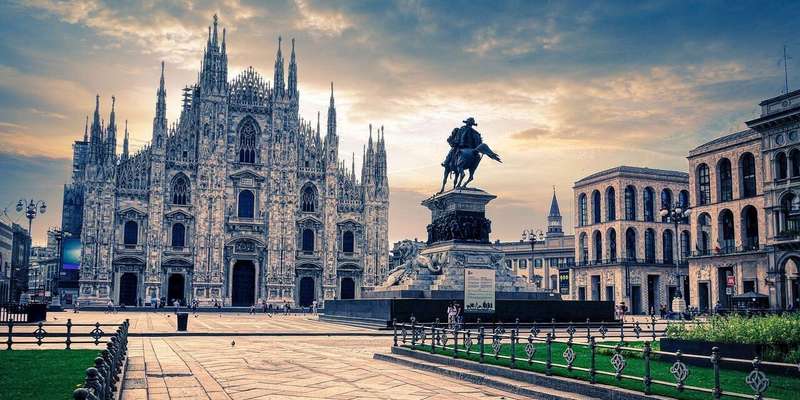
The Duomo area's safety paradox sees ultra-secure cathedral surroundings giving way to riskier side streets just blocks away. Police concentrate on the immediate piazza, leaving Via Larga and Via Mazzini more vulnerable to opportunistic theft. Contrast this with Navigli's canal district, where the evening crowds create natural safety in numbers until about 11 PM. Locals recommend a hybrid approach: enjoy the Duomo's daytime splendors, then take the tram (not walk) to Navigli for dinner. Key safety markers in Navigli include restaurants with door staff (they monitor the street) and the illuminated cycling path along Darsena. While neither area matches Brera's round-the-clock security, understanding these micro-zones lets you enjoy Milan's highlights without unnecessary risk.
View all Tours
FAQ 2026
What is the updated tourist tax for staying in Milan in 2026?
Starting January 1, 2026, Milan has increased the daily tourist tax to fund city infrastructure. Rates currently stand at 12 euros for 5-star hotels, 10 euros for 4-star, and approximately 7.40 euros for 3-star accommodations per person, per night.
Are there special security measures for the Winter Olympics in Milan in 2026?
Yes, during the 2026 Winter Games, the city has deployed over 6,000 security personnel, introduced drone surveillance, and established high-security 'Red Zones' near the San Siro stadium and Olympic Village to ensure visitor safety.
Is the Milan Metro safe to use late at night during 2026?
Public transport in 2026 is considered very safe, with metro lines M1-M5 extending their service until 2:00 AM during peak periods. Increased security patrols and AI-monitored stations are now standard to protect late-night commuters.
Written by Milan Tours Editorial Team & Licensed Local Experts.
Last updated: 24/02/26
