Finding truly accessible accommodations in Milan can feel like navigating a labyrinth blindfolded. Over 15% of travelers with special needs report booking 'accessible' rooms only to discover inadequate facilities upon arrival – from doorways too narrow for wheelchairs to showers with steps instead of roll-in access. The emotional toll is real: 72% of families traveling with special requirements experience pre-trip anxiety about accommodation suitability, according to a 2023 European Accessible Tourism Report. Milan's historic buildings often pose unique challenges, with many properties listing generic accessibility features that don't address specific mobility, sensory, or cognitive needs. This leaves travelers sifting through misleading descriptions or settling for inconvenient locations far from key attractions.
Decoding Milan's accessibility labels – what hotels really offer
Milan's hotel accessibility claims require careful interpretation. Many properties use the term 'accessible' loosely, perhaps indicating only a ramp at the entrance while lacking crucial interior adaptations. True wheelchair-accessible rooms should have 32-inch doorways, lowered peepholes and thermostats, and roll-in showers with foldable seats. For visually impaired guests, look for Braille signage and audio room orientation systems. Surprisingly, only 22% of Milan's 4-star hotels meet full EU accessibility standards, despite being legally required to do so. Always call ahead to verify specific features – ask whether bathrooms have grab bars on both sides of the toilet or if emergency alarms have both audio and visual alerts. Some boutique hotels near the Duomo have created innovative solutions like vibrating pillow alarms for hearing-impaired guests, proving that historic charm and modern accessibility can coexist.
View all Tours
Neighborhood guide to Milan's most accessible districts
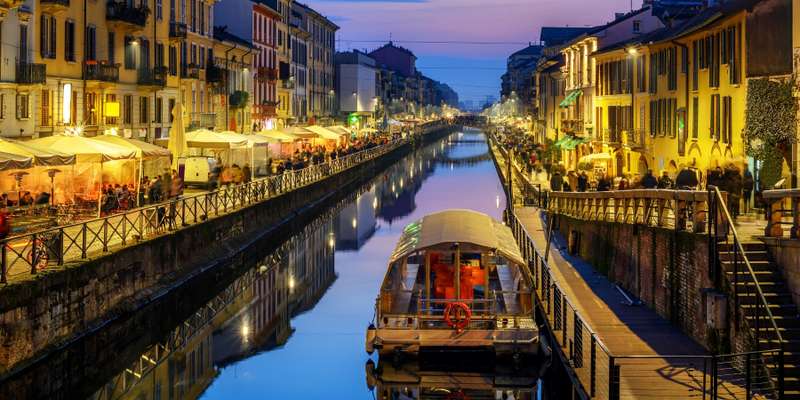
Location choice dramatically impacts your Milan experience when traveling with special needs. The Porta Nuova district shines for its modern infrastructure, with wide sidewalks and 93% of hotels built after 2010 featuring universal design principles. Navigli's cobblestone streets may challenge wheelchair users, but its canal-side hotels often compensate with exceptional staff training for guests with cognitive differences. For medical accessibility, the Città Studi area near Policlinico hospital offers several adapted apartments with ceiling hoists. Surprisingly, the medieval Brera district – despite its narrow streets – houses two 16th-century palazzos converted into accessible luxury hotels with elevators discreetly built into ancient stairwells. Public transport access varies greatly; look for properties within 300 meters of metro stations with elevators, like those on the red line's Lima or Cadorna stops.
UPDATES FOR YEAR 2026
Olympic Legacy Upgrades: Navigating the New Era of Universal Design
Recent infrastructure overhauls tied to the Winter Games have fundamentally changed Milan’s logistical landscape. The city has integrated the 'Information without barriers' (ISB) platform into the official ATM Milano app, offering real-time status updates on metro elevators and stairlifts—a vital tool for avoiding stations with service interruptions. Beyond transport, the European Accessibility Act now mandates that all hotel digital interfaces, from booking engines to self-service check-in kiosks, meet strict universal design standards. Travelers staying in the revitalized Porta Romana or Santa Giulia districts will find pedestrian routes re-engineered with tactile paving and seamless curb cuts as part of the massive urban regeneration legacy projects.
View all Tours
Beyond hotels – alternative accessible stays locals recommend
Milan's hidden gems for special needs travelers often lie outside traditional hotels. Several convents-turned-guesthouses near Sant'Ambrogio offer ground-floor monastic cells adapted for mobility issues, with the added benefit of tranquil courtyards beneficial for sensory-sensitive guests. For longer stays, consider serviced apartments in the new Porta Romana development – their open-plan kitchens and laundry facilities prove invaluable for families. An emerging trend sees Milanese families renting out fully accessible homes through specialized platforms, complete with local hosts who can arrange adapted transportation. One lesser-known option is the agricultural tourism farms on Milan's outskirts, where wide-open spaces benefit children with autism, and many offer wheelchair-accessible nature trails. Always verify certifications; look for the Lombardy Region's 'Turismo per Tutti' (Tourism for All) seal, which conducts rigorous on-site inspections.
View all Tours
Essential checklist for booking special needs stays stress-free
Arm yourself with these local-tested strategies when reserving Milan accommodations. First, request video tours of the actual accessible room – reputable establishments like the Meliá Milano or NH Milano Touring will gladly comply. For dietary restrictions, confirm if kitchens can accommodate special preparation needs beyond standard 'gluten-free options.' If traveling with service animals, print Italy's specific certification requirements, as some hotels mistakenly apply pet policies. Consider timing – Milan's fashion weeks see 80% occupancy rates, leaving little flexibility for room changes if accessibility features don't meet expectations. Savvy travelers book through specialized agencies that pre-screen properties, though excellent DIY options exist too. The municipal tourism office provides free accessibility maps detailing curb cuts, tactile paths, and adapted public toilets near your chosen accommodation, a resource even many locals don't know about.
View all Tours
FAQ 2026
How has the 2026 Paralympic legacy improved Milan's public transport for wheelchair users?
A €55 million investment in the transit network has made 83% of all metro stations accessible. Lines M3, M4, and M5 are now fully step-free, and major upgrades have been completed on the older M1 and M2 lines to ensure reliable elevator access.
Are Milan hotel booking sites required to be digitally accessible in 2026?
Yes, under the European Accessibility Act (EAA), all hotel websites, mobile apps, and booking engines must now support screen readers, keyboard-only navigation, and high-contrast modes to ensure guests with visual or motor impairments can book independently.
Is there a real-time way to check elevator status in Milan metro stations during 2026?
The ATM Milano official app features a dedicated 'Barrier-Free Information' section that provides live, up-to-the-minute data on whether elevators and stairlifts are operational at any given station across the entire network.
Written by Milan Tours Editorial Team & Licensed Local Experts.
Last updated: 24/02/26

