Navigating Milan with mobility challenges can quickly turn a dream trip into a logistical nightmare. Over 30% of travelers with disabilities report abandoning activities due to inaccessible transport, while 68% spend hours researching routes instead of enjoying their vacation. Milan's mix of historic infrastructure and modern systems creates confusing gaps in accessibility – from metro stations without elevators to cobblestone streets that render wheelchairs nearly unusable. The stress of uncertain accessibility often overshadows the joy of experiencing Italy's fashion capital, leaving many visitors compromising their itineraries or facing unexpected physical barriers. This guide focuses on practical solutions to these very real challenges, blending official resources with hard-won local knowledge.
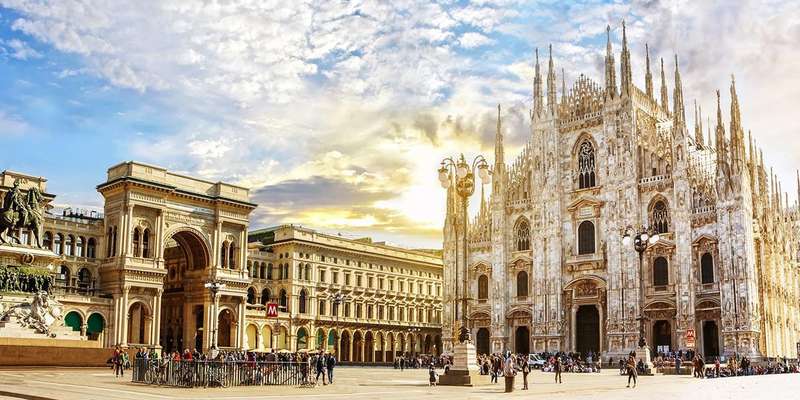
Decoding Milan's metro accessibility maze
Milan's metro system presents a frustrating paradox – while 40% of stations are technically accessible, the remaining 60% contain unexpected barriers like temporary elevator outages or platform gaps. The M1 (red) line offers the best coverage with 22 fully accessible stations including Duomo and Cadorna, while the newer M5 (lilac) line was designed with universal access in mind. Always verify real-time elevator statuses via the ATM Milano app's 'Accessibilità' filter before descending into stations. For guaranteed smooth transfers, plan routes around key accessible hubs like Loreto (M1/M2 interchange) rather than smaller stations. Surface-level trams often serve as reliable alternatives, with lines 7, 9, and 23 featuring low-floor carriages and audible stop announcements.
UPDATES FOR YEAR 2026
New Era for Milan Mobility: M4 Completion and Paralympic Legacy Upgrades
The transport landscape has shifted significantly with the full completion of the M4 (Blue) line, which now provides a 100% barrier-free link between Linate Airport and San Cristoforo. Coinciding with the Winter Paralympics, a massive infrastructure investment has added elevators and level-boarding platforms to dozens of previously inaccessible stations on the M1 and M2 lines, pushing the network's total accessibility rate above 80%. Crucially, the city has transitioned to a fully digital and rechargeable ticketing system; visitors must now use the 'RicaricaMi' card, the official app, or contactless 'Tap & Go' payments, as traditional paper tickets have been phased out. Additionally, new accessible pedestrian 'green corridors' now link major hubs like the Santa Giulia Arena to the wider metro network.
View all Tours
Wheelchair-friendly taxi secrets even locals use
Milan's white taxis aren't required to be wheelchair accessible, creating a scramble for the city's limited fleet of adapted vehicles. The game-changing solution comes from the municipally-backed MilanoPerTutti service, offering pre-bookable vans with ramps at standard taxi rates. Register 24 hours in advance through their multilingual portal for guaranteed transport. During peak times, the lesser-known RadioTaxi 8585 dispatchers maintain a separate accessible vehicle pool – ask for 'auto adatta per sedie a rotelle' when calling. For spontaneous trips, the UberWAV option now covers central Milan with typically under 10-minute wait times. Pro tip: Major attractions like the Last Supper museum keep dedicated accessible taxi numbers at their reception desks for immediate post-visit pickups.
View all Tours
Navigating Milan's cobblestones without stress
The picturesque cobblestone streets of Brera and Navigli districts become mobility minefields after rain or with manual wheelchairs. Local disability advocates have mapped out smooth 'access routes' using service roads and building arcades – follow the blue accessibility stickers discreetly placed on lampposts around tourist areas. The 3km 'Milano Accessibile' path from Sforza Castle to Sant'Ambrogio basilica uses these adapted pathways, bypassing the worst medieval pavement. For manual wheelchair users, the Milanese trick is timing visits to pedestrian zones (ZTL areas) during morning delivery hours when temporary rubber matting covers stones for loading docks. Museums and shops along Via Dante keep foldable portable ramps behind their counters – don't hesitate to ask for 'rampa mobile' assistance.
View all Tours
Accessible day trips beyond Milan with zero hassle
Venturing to Lake Como or Bergamo from Milan needn't mean sacrificing accessibility. The Trenord 'Carrozza Accessibile' program reserves entire first-class compartments for wheelchair users on regional trains – book 24 hours ahead at any station for priority boarding assistance. For stress-free lake visits, the Cadorna-Malpensa Express connects directly to accessible ferry services at Arona (Piedmont side of Maggiore). Few tourists know about the fully adapted 'Navigazione Laghi' boats departing from nearby Sesto Calende, offering barrier-free access to Borromean Islands. Back in Milan, the central station's 'Servizio Disabili' office provides personalized route planning for all Lombardy day trips, complete with printed accessibility maps of your destination.
View all Tours
FAQ 2026
Which Milan metro lines are fully wheelchair-accessible for the 2026 season?
As of 2026, the M3 (Yellow), M4 (Blue), and M5 (Lilac) lines are 100% accessible. Following recent upgrades for the Winter Paralympics, the M1 and M2 lines have also seen 26 key stations retrofitted with new elevators, making over 83% of the total network barrier-free.
How do travelers with disabilities use the new paperless transport system in Milan in 2026?
Traditional paper tickets are no longer valid in 2026. Travelers should use the ATM Milano app, contactless credit cards, or the 'RicaricaMi' rechargeable card. For those with a European CUDE permit, register your license plate with the 'Area C' portal to enjoy free access to the city center and specialized parking.
Is the Linate Airport metro link fully accessible for the 2026 Winter Games?
Yes, the M4 (Blue) line is completely barrier-free and connects Linate Airport to the city center (San Babila) in just 12 minutes. Every station on this line features high-capacity elevators, tactile flooring, and level boarding designed for spectators and athletes attending the 2026 events.
Written by Milan Tours Editorial Team & Licensed Local Experts.
Last updated: 24/02/26
